
Craig Fox
Renard Communications, Corp
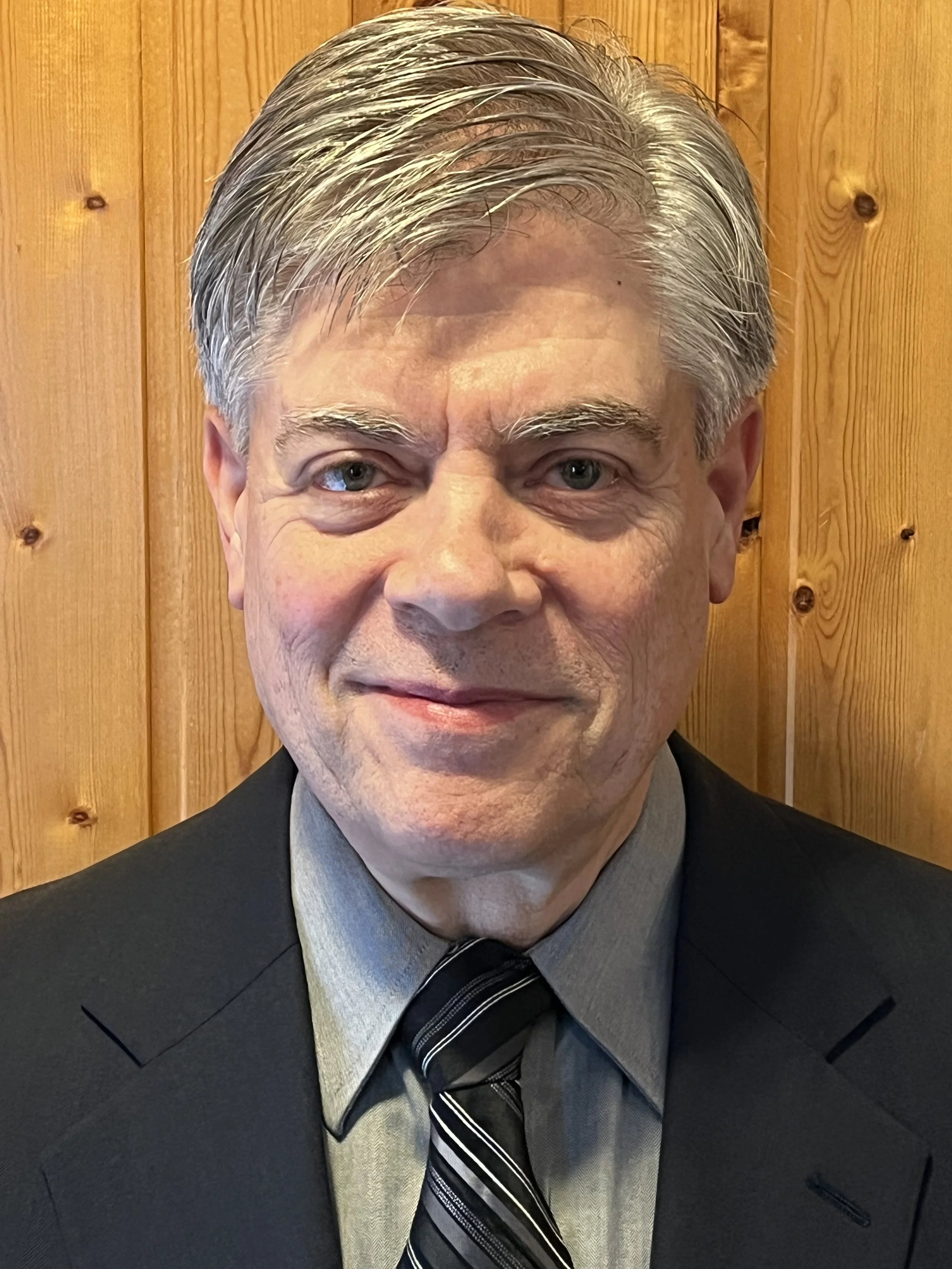
Craig Fox is a broadcaster, engineer, and media entrepreneur whose career in television and radio spans more than four decades. He entered the broadcasting industry professionally at age 20 as Chief Engineer of 40,000-watt classical FM station WONO in Syracuse, New York. At age 24, he became a principal owner, Vice President, and General Manager of WAQX-FM, helping launch what would become one of Central New York's most successful radio stations.
Fox entered television ownership in 1984 with his first Low Power Television station and expanded into full-power television ownership in 1985 with WOLF-TV in Scranton, Pennsylvania, along with its two satellite stations. Today, his broadcast holdings include Class A television stations through Renard Communications Corp., LPTV stations through Metro TV, Inc., and radio properties through WOLF Radio, Inc.
Throughout his career, Fox has been a leading advocate for Low Power Television and has helped shape several FCC policies that continue to benefit the industry today. His efforts led to a major change in the FCC's displacement rules, establishing the "first-come, first-served" process adopted in 1999. The change provided immediate protection for displacement applications and helped ensure the survival of countless LPTV and translator stations that otherwise could have lost access to available spectrum.
In the late 2000s, Fox proposed allowing Class A, LPTV, and translator stations to utilize full-power emission mask filters, enabling stations to operate on first-adjacent channels and improving spectrum efficiency. His proposal gained industry support, was referenced in the National Broadband Plan, and was ultimately adopted by the FCC in 2010.
A lifelong champion of local broadcasting and independent ownership, Fox continues to provide leadership and technical expertise to the industry. As a member of the LPTV Broadcasters Association Board of Directors, he brings decades of experience in engineering, station ownership, regulatory affairs, and spectrum policy to advance the future of Low Power Television.